


For badminton racket buyers, a wrist strap is a defined path to earth through a one megohm resistor, and its protection is proven by a weekly test record, not by wearing it. IEC 61340-5-1 keeps the total path to earth between roughly 0.8 and 1.2 megohms: low enough to drain charge, high enough to protect the wearer from a live fault. A badminton racket handled by an operator whose strap test log stopped three months ago is protected by memory, not by the strap. The same test applies to any wholesale badminton racket.
On badminton racket orders, static damage is invisible at goods receipt and fatal six months into the field.
As a manufacturer based in China, 杭州乐檬进出口有限公司 (www.factoryracket.com) supplies badminton rackets, shuttlecocks, tennis rackets and related products to clients in more than forty markets. In this guide we explain what actually determines quality in badminton and racket sports equipment, how to assess a plant before you commit, and how to build a supply relationship that holds up over years of repeat ordering.
For badminton racket buyers, before you send a request for quote, be precise about what you are buying. In badminton and racket sports equipment work, these are the questions that separate a professional procurement decision from a hopeful one.
What is the production capacity and current turnaround? Within badminton and racket sports equipment, a plant that cannot state monthly capacity in units cannot forecast reliably.
In most clubs and academies settings, which quality standards apply, and can they evidence conformity? Require BWF Laws of Badminton, ISO 9001 documentation rather than a verbal claim.
Is material traceability documented? Certificates of material origin prevent costly surprises.
What is the fault rate and how are returns handled? Obtain historical data, not a policy statement.
Can they customize to your market's specification? For badminton and racket sports equipment teams, voltage, sizing, labelling and packaging often differ by country.
What after-sales support is included? On badminton racket orders, spare parts availability and technical support determine lifetime cost.
What is the total landed cost? Freight, duty and durability matter more than FOB price.
Quality in badminton and racket sports equipment is the sum of four things: material selection, manufacturing precision, assembly consistency, and testing discipline. A badminton racket can look identical to a competitor and behave completely differently after six months in service if any one of these is weaker.
Material grade: the raw material must match the badminton racket requirement, with certificates to prove it.
Manufacturing precision: tolerances must hold across the production run, not just the badminton racket sample.
Assembly consistency: repeatable processes prevent batch-to-batch variation.
Testing discipline: functional and safety testing must be routine, not exceptional.
In badminton racket supply, for importers, the practical implication is that you should evaluate capability rather than appearance. A well-equipped production site with documented processes will out-perform a low-cost workshop every time, even if the sample badminton rackets look the same.
For badminton and racket sports equipment work, we recommend auditing five dimensions before the first paid order.
For badminton rackets buyers, require facility size, equipment list, monthly output, and the number of production lines. Across badminton racket projects, a production site that can describe its bottleneck process understands its own capacity. Request photos or a live video walkthrough of the production floor.
Establish certification such as BWF approval, ISO 9001:2015 and ask to see the internal examination records. Across clubs and academies, a genuine quality system produces documents: incoming material checks, in-process checks, and final verification reports.
For badminton racket buyers, grasp where raw materials come from and how they are verified. In badminton and racket sports equipment practice, vertically integrated vendors control more of the quality chain and are less exposed to sub-provider issues.
On badminton racket jobs, ask which tests are performed in-house and which are outsourced to third parties. In badminton and racket sports equipment programmes, for export markets, third-party test reports from recognised laboratories carry more weight than internal claims.
In badminton and racket sports equipment practice, assess responsiveness during the quote stage — it is a good predictor of post-sale behaviour. For badminton and racket sports equipment teams, probe spare parts availability, technical documentation, and warranty terms in writing.
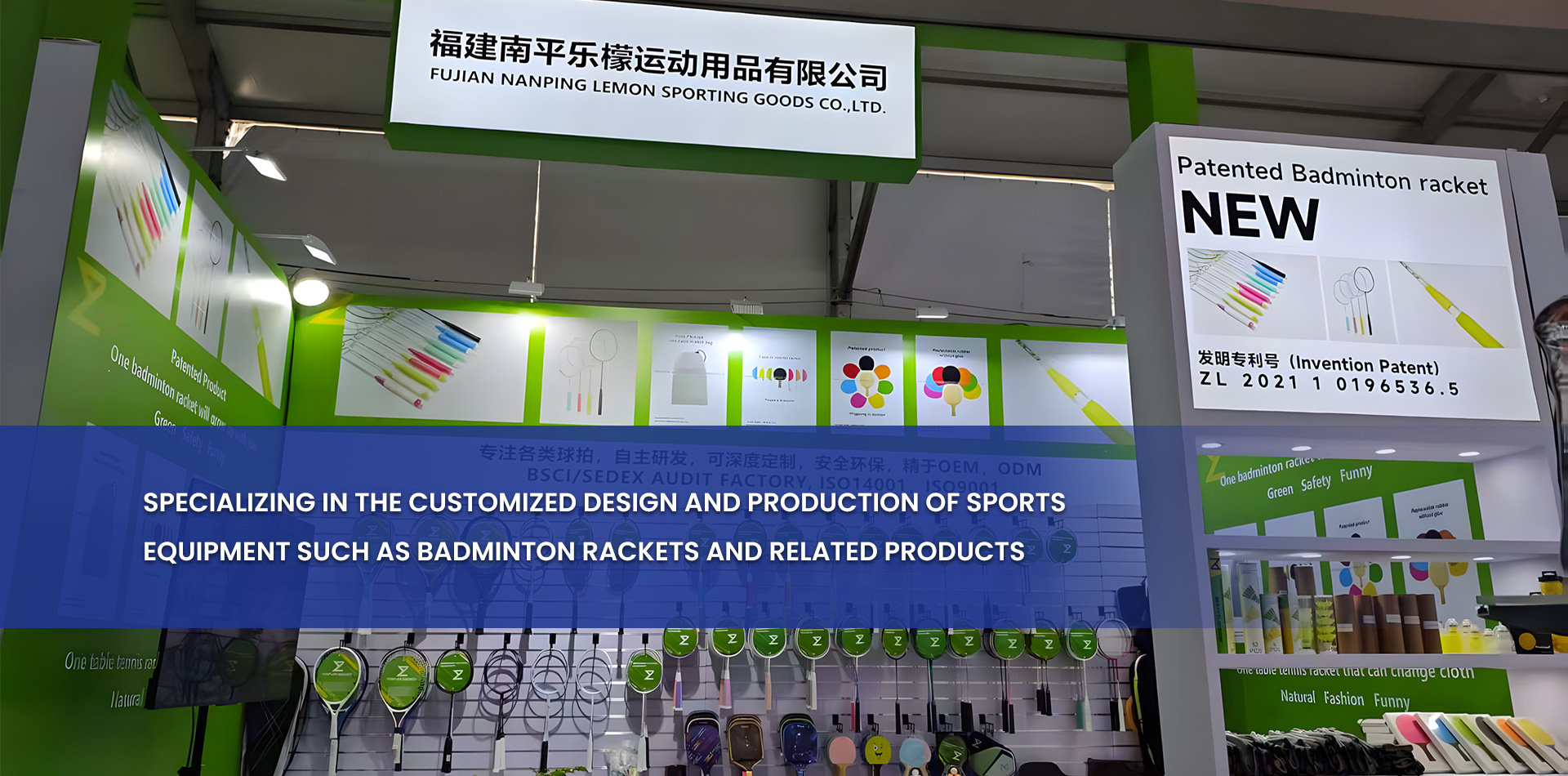
For badminton racket buyers, most purchasers eventually want their own branding, and the best time to discuss it is before the first order. In most clubs and academies settings, typical customization includes product sizing, colour, labelling, packaging, and documentation.
Product customization: dimensions, capacity, voltage and configuration tailored to your market.
Branding: logo marking, silk-screen printing, embossing or laser marking.
Packaging: neutral, retail-ready or private-label cartons with your barcode and conformity text.
Documentation: user manuals and conformity statements in your market's language.
For badminton and racket sports equipment teams, discuss minimum order quantities for customized runs early, because decoration and tooling often set a higher MOQ than the base product.
Unit price is only one part of the equation. For badminton racket buyers, the lowest quote frequently carries the highest total cost once durability, freight and returns are included.
| Cost Factor | What to Compare | Hidden Exposure |
|---|---|---|
| Unit price | FOB per unit | Ignoring specification differences |
| Durability | Service life | Premature failure and warranty claims |
| Freight | Volumetric weight | Light but bulky consignments cost more |
| Duty and conformity | HS code and certification | Clearance delays |
| Returns | Fault rate | Reputational damage |
| Support | Spare parts and service | Downtime for your client |
Build a landed-cost model and negotiate on the total. On badminton racket orders, vendors respect importers who understand their cost drivers because it signals a long-term relationship.
In badminton and racket sports equipment programmes, the best pricing and priority allocation go to importers who order predictably. Share a rolling forecast, place consistent badminton racket orders, and give clear feedback on quality. On badminton racket jobs, production sites reward reliable partners with better lead times and preferential treatment when capacity is tight.
It also helps to visit the production site when practical. On clubs and academies projects, a single visit reveals more about capability than months of email.
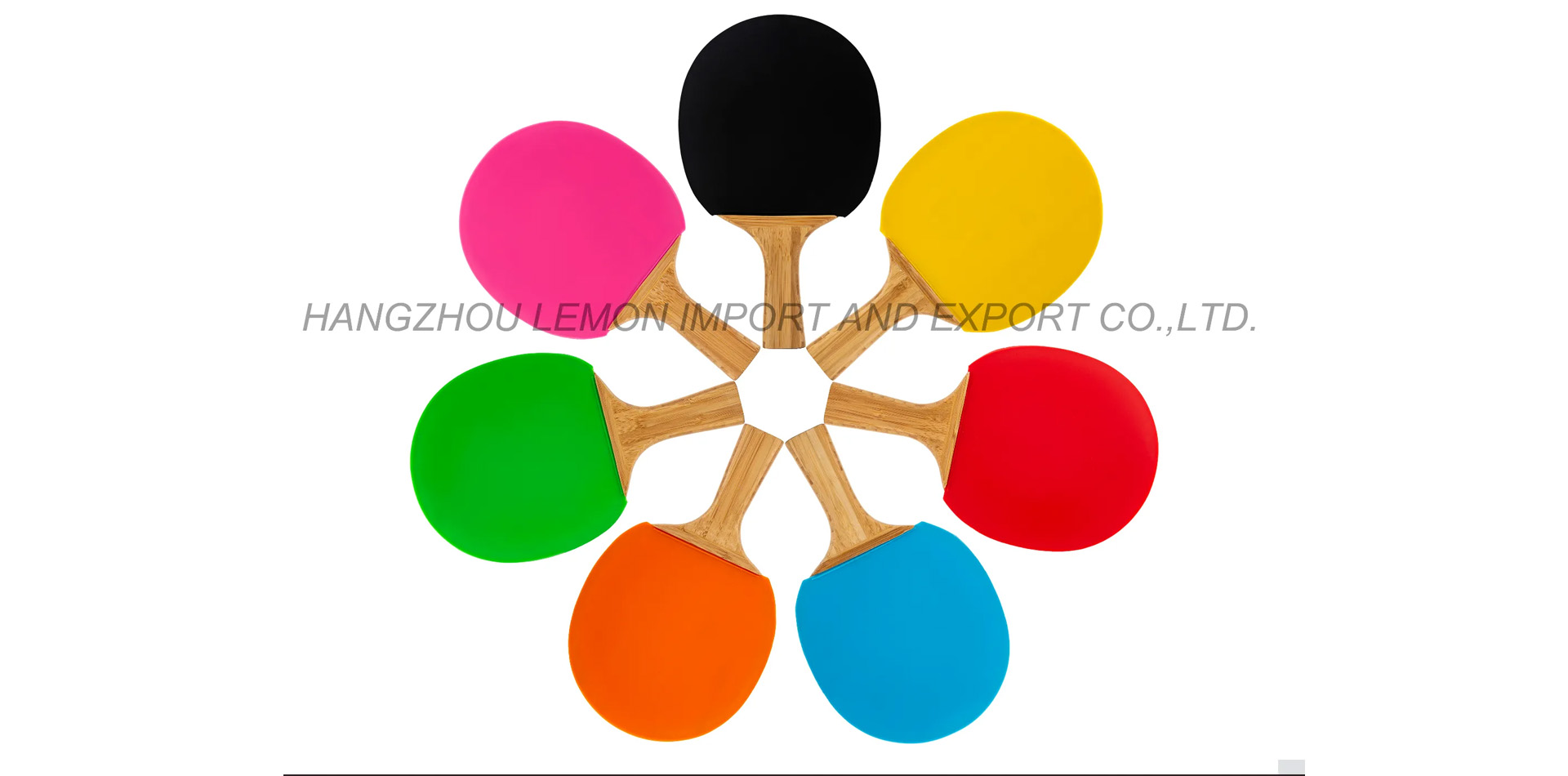
Not every vendor is the same kind of business. In badminton racket supply, understanding the model helps you choose the one that fits your needs.
| Vendor Type | Control Over Quality | Price Level | Best For | Main Exposure |
|---|---|---|---|---|
| Direct plant | Highest | Competitive | Volume purchasers | Higher MOQ |
| Trading company | Medium | Higher | Small or mixed orders | Less quality control |
| OEM/ODM partner | High | Competitive | Brand owners | Development time |
| Distributor | Low | Highest | Urgent small orders | Limited customization |
For most purchasers building a brand or a stable catalogue, a direct plant with genuine customization capability offers the best balance of quality control, price and flexibility.
Depending on your destination market, several standards and certifications may apply to badminton and racket sports equipment. Confirming them early prevents costly conformity surprises.
BWF Laws of Badminton: confirm the production site can supply documentation for this standard where it applies to your market.
ISO 9001: confirm the badminton racket plant can supply documentation for this standard where it applies to your market.
CE: confirm the production site can supply documentation for this standard where it applies to your market.
REACH: confirm the production site can supply documentation for this standard where it applies to your market.
BWF approval: request the certificate and verify its validity and scope.
ISO 9001:2015: request the certificate and verify its validity and scope.
CE: request the certificate and verify its validity and scope.
For badminton rackets buyers, a structured process reduces exposure far more than a clever negotiation.
For badminton and racket sports equipment teams, define your technical specification and target market conditions.
For badminton rackets buyers, shortlist three providers and request capability data and references.
On clubs and academies projects, order paid samples and test them against your specification.
In badminton and racket sports equipment programmes, audit the chosen production site against the five dimensions above.
Agree pricing, MOQ, packaging and lead times in writing.
Place a trial order and inspect the dispatch on arrival.
Examine performance with real clients before scaling.
Lock in capacity and lead times for the coming season.
For badminton racket buyers, a static control programme is auditable when it has a written plan, and the plan is a requirement, not a courtesy. IEC 61340-5-1 expects a document that names the protected items, the personnel, the badminton racket range and the tests behind every range. A badminton racket programme that lives as a poster has no version, no owner and no test record, which makes every claim about it unverifiable.
| Programme Element | What to Hold for a Badminton Racket | What Its Absence Costs |
|---|---|---|
| Written plan | The programme document, versioned, with an owner | Ranges nobody can trace to a condition |
| Surface measurements | Worksurfaces and floors in the 10 to the sixth to 10 to the ninth ohm band, quarterly | A bench that quietly became an isolator |
| Strap test records | Weekly, per operator, path in megohms | Protection assumed from a worn wristband |
| Ioniser checks | Discharge time in seconds at the worksurface | Charged insulators treated as harmless |
| Packaging audit | Shielding grade per the packaging standard, bags closed | Parts protected only in the storeroom |
| Humidity log | 30 to 70 %RH in the area, recorded daily | Winter charging multiplied by dry air |
In badminton racket supply, humidity is the multiplier most programmes forget, because triboelectric charging rises sharply as air dries. In most clubs and academies settings, below roughly 30 %RH, ordinary handling generates voltages several times those measured in summer, and the same wrist strap that passed in July is now the only barrier. Across badminton and racket sports equipment projects, logging the area's relative humidity daily, and acting when it falls below the band, is a two-minute routine that prevents the seasonal class of field failures.
Across badminton racket projects, insulators cannot be grounded, so ionisation is the only remedy where plastics must be handled. For badminton rackets work in clubs and academies, an ioniser is verified by its discharge time, measured at the worksurface with a charged plate: a unit that takes tens of seconds from 1000 V to 100 V is decorating the room rather than neutralising it. The check belongs on the same calendar as the surface measurements.
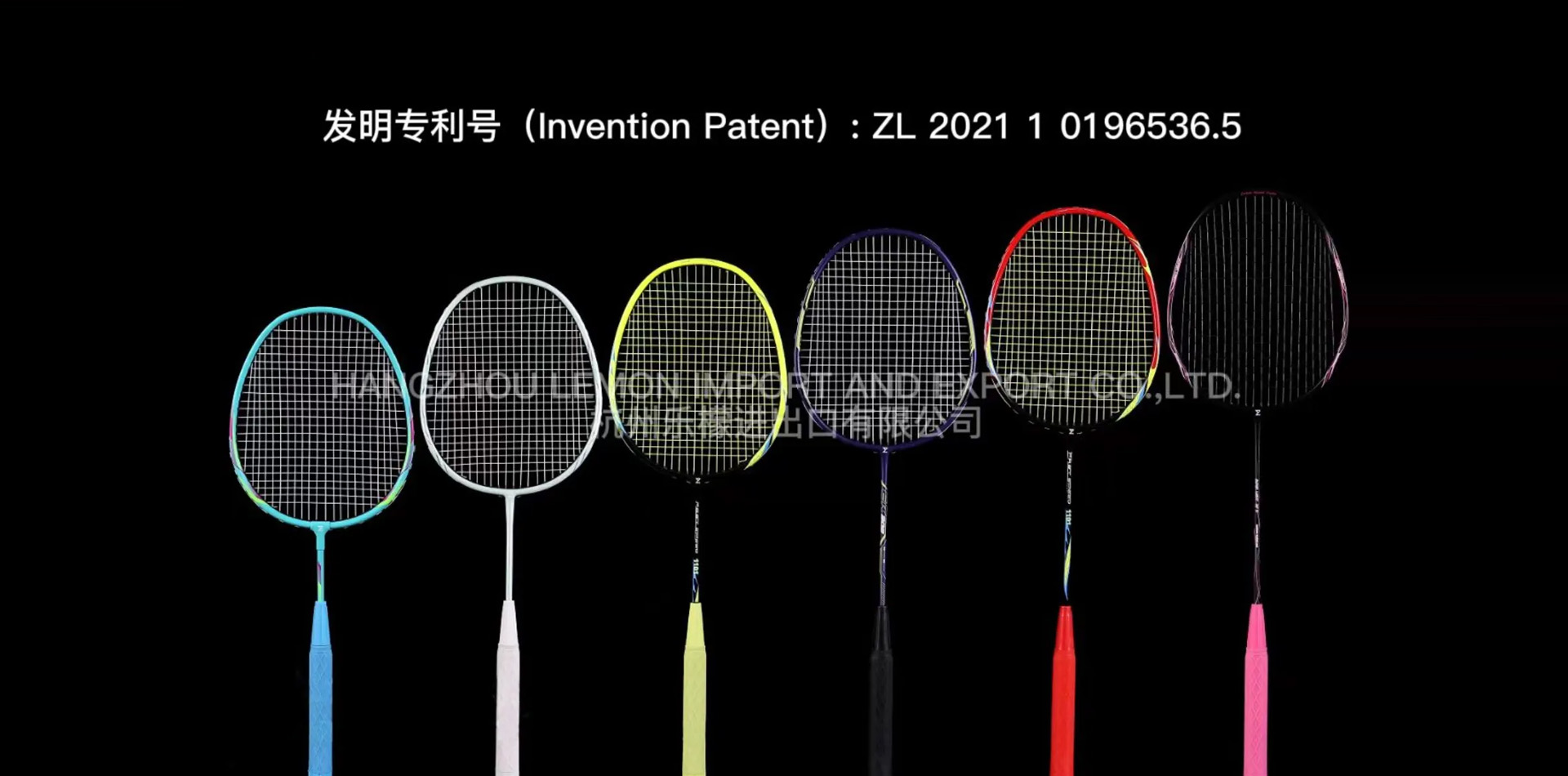
On clubs and academies projects, weekly, under the programme plan, with the result logged per operator. The badminton racket test verifies the full path to earth, which should sit between roughly 0.8 and 1.2 megohms through the built-in resistor. On badminton racket orders, a strap worn daily without a test record is an assumption; the resistance drifts as cords fray and contacts oxidise, and the drift is silent.
On badminton racket jobs, because the joints under a ball grid array are hidden by the package, and the fault that matters there is voiding, a cavity in the solder measured as a share of the pad area. In badminton and racket sports equipment practice, acceptance for a Class 3 ball is commonly 25 percent or less. Visual examination certifies the perimeter; the interior is only evidenced by an X-ray figure on the report.
On clubs and academies projects, the user runs a daily pre-use check: markings legible, no visible bends or nicks, latch working. On badminton racket orders, the thorough examination is different work: measured link diameters and throat openings against discard limits, recorded per serial number by a competent person at the interval the regulation sets, commonly six to twelve months. Neither check replaces the other.
For badminton and racket sports equipment work, whatever its accuracy grade and centre distance specify, typically fractions of a millimetre on precision units. Across badminton racket projects, zero is not a target: the mesh needs clearance for thermal growth and oil film, and a gear that touches at running temperature seizes there. Too much backlash hammers the teeth under reversing loads, so the figure is a range with two failure modes outside it.
Only if the agreement provides for it, naming the index, the frozen base month, the badminton racket material share and the trigger. On badminton racket jobs, without those elements the answer is to decline the surcharge in writing and cite the clause. In badminton and racket sports equipment practice, with them, the settlement is arithmetic on published figures, applied symmetrically, with credits when the index falls past the trigger.
The receiving bay is the most humid room the goods will ever enter, and the hour between the tailgate and the shelf decides whether that humidity touches the badminton racket. For badminton and racket sports equipment work, a cold item carried into warm, damp air grows condensation on every surface, inside and out, and the water sits where the packaging protected against everything except temperature. A badminton racket opened at the dock in January has skipped the one rule that keeps plant conditions at the destination: equalise before opening.
| Bay Rule | What to Hold for a Badminton Racket | The Damage It Prevents |
|---|---|---|
| Acclimatisation | Sealed goods left to equalise for a stated time, commonly 24 h, before opening | Condensation on surfaces nobody can dry |
| Bay humidity | 30 to 70 %RH logged in the receiving area | Dry-air charging of sensitive goods |
| Unwrapping order | Outer and inner packaging opened in sequence, at room temperature | A shock to a cold, brittle part |
| Photographs | Packaging photographed before it is opened, damaged parts before they are moved | A claim argued from memory |
| Dispatch note | Visible damage written on the note at signature, before the driver leaves | A claim window quietly lost |
| First-hour check | The short-list of identifiers checked before the carrier is out of sight | A substitution discovered weeks later |
In badminton racket supply, the equalisation rule needs a number, because a rule without one is ignored on a busy morning. In badminton and racket sports equipment practice, sealed cartons generally need hours, not minutes, to come to room temperature, and moisture-sensitive packages carry their own floor-life clock that starts when the barrier bag opens. Stating the hold time on the receiving instruction converts a good habit into a checkable step.
On badminton racket orders, the dispatch note is the document that starts or loses the claim, and the signature is the deadline. For badminton and racket sports equipment teams, damage written on the note at the moment of handover binds the carrier to what the driver saw too; damage discovered on Tuesday about a Monday dispatch is a negotiation. The photographs taken before unwrapping close the remaining gap between what arrived and what anyone can prove arrived.
Across badminton racket projects, a static-safe area is verified by readings, and the readings are few and fixed. For any badminton rackets programme, worksurfaces and flooring, in the 10 to the sixth to 10 to the ninth ohm band to ground, measured quarterly. Wrist strap paths, in megohms, tested weekly per operator. Ioniser discharge time, in seconds, at the worksurface. In most clubs and academies settings, and the area humidity, logged daily, because dry air multiplies charging. A badminton racket area verified by the presence of yellow flooring has verified a colour.
| Verification | What to Read for a Badminton Racket | The Claim It Tests |
|---|---|---|
| Surface resistance | Ohms to ground per bench, quarterly, instrument calibrated | A surface in the isolation range |
| Strap path | Megohms per operator per week, logged | A frayed cord protecting nobody |
| Ioniser discharge | Seconds from 1000 V to 100 V at the worksurface | An ioniser decorating the ceiling |
| Area humidity | %RH logged daily, acted on below 30 | Winter charging at multiplied voltages |
| Packaging grade | Shielding class per the packaging standard, bags closed | Protection that ends at the storeroom door |
| Grounding points | Frequent ground point identified, bonding checked | A bench grounded to a painted flange |
In badminton racket supply, the frequent ground point is the element most often discovered wrong during an audit, because equipment is bonded to the nearest convenient metal, and painted or anodised surfaces are not conductors. Across clubs and academies, a verified single ground point, with bonding checked per the programme plan, gives every other reading a reference. In badminton and racket sports equipment work, without it, the numbers are readings of nothing in particular.
On badminton racket orders, the audit walk takes under an hour when the records exist: read the plan, read the quarterly surface log, watch a strap test, read the humidity chart and check two bags for closure and grade. For badminton rackets work in clubs and academies, an hour per quarter is the entire price of being able to state, with a record, that the area is static-safe.

Across badminton racket projects, returnable packaging is a fleet, and a fleet is only manageable while somebody counts it. For badminton and racket sports equipment teams, pallets, cages, reels and containers carry deposit values, and the fleet's arithmetic lives in four places: the register of units sent, the deposit ledger, the return log with condition grades, and the credit notes that match returns to dispatches. A badminton racket supply that ships on returnables without a register has a balance sheet nobody can close.
| Fleet Element | What to Hold for a Badminton Racket | The Loss It Prevents |
|---|---|---|
| Unit register | Each pallet or cage identified and counted, in and out | A fleet that shrinks invisibly |
| Deposit ledger | Amount per unit, currency, per agreement | Deposits argued from memory |
| Condition grades | Accepted or refused, per a rule fixed in the agreement | Grading invented at the gate |
| Return window | Days from dispatch, per the agreement | Units parked until they are lost |
| Credit matching | Credit note matched to the dispatch note, per batch | Credits claimed twice or never |
| Loss rule | Who pays a unit that vanished, stated in writing | A silent argument every quarter |
In badminton racket supply, the deposit arithmetic is real money moving slowly: a fleet of a few hundred units, each with a deposit, drifts out of balance one miscounted load at a time, and the drift surfaces as a write-off nobody authorised. Across badminton and racket sports equipment projects, a quarterly reconciliation, register against ledger against credits, catches the drift while it is still a miscount rather than a loss.
On badminton racket orders, the condition grade is where the arguments live, and the argument ends when the rule is fixed: a unit is accepted if it carries its load and closes, refused if a structural member is cracked, and the photographs at dispatch and at return are the evidence on both sides. For badminton rackets supply in clubs and academies, two photographs per movement is the entire evidence system, and it works because it is boring.
An audit reads records first and hardware second, and the programme that survives is the one whose plan names everything the auditor will ask for: the ranges, the badminton racket test intervals, the instruments and the owners. The walk itself is short, because the readings are few. A badminton racket programme audited without its plan is a programme being invented in the room, and invention is not evidence.
Read the plan: the document exists, is versioned, names the protected items, the ranges and the owners.
Confirm the quarterly log: surface and floor resistance readings within the stated band, instrument calibration dates present.
Watch a strap test: an operator runs the tester, the path reads in megohms, the result lands in the log.
Read the humidity chart: the area stayed inside the band, and the excursions have actions attached.
Validate two bags: shielding grade marked, edges closed, no taped-over shield layers.
Close the loop: every finding gets an owner and a date, and the next audit reads them first.
On badminton racket jobs, the findings loop is what separates a programme from a performance, because an audit that produces actions and reads them at the next visit builds a trend; an audit that produces polite nods builds a folder. For badminton rackets operations in clubs and academies, the trend is the real asset: three quarters of stable readings are worth more than any single certificate.
For badminton and racket sports equipment work, nonconformances cluster predictably: strap tests skipped in the holiday quarter, bags reused past their grade, an ioniser moved to a bench that needed it less. In badminton racket supply, naming the clusters in the plan, with the fix, is cheaper than rediscovering them each year, and the plan grows into something the next auditor can read in ten minutes.
For badminton racket buyers, yes, and the reason is physics rather than tidiness: the bag works because a conductive outer layer and a dissipative inner layer stay separated, and an open edge lets the contents bridge the layers, discharging the protected part through the unprotected film. For badminton rackets buyers, fold the edge closed per the packaging instruction and label it, because a bag that looks closed and is not is the commonest static finding in packaging audits.
Within badminton and racket sports equipment, because the production site test ran in production site air. In badminton racket supply, ionic residue interacts with humidity: a board with residue above the stated figure is stable in a dry hall and grows conductive paths between tracks in condensing conditions. In most clubs and academies settings, validate the ionic result against the stated limit in micrograms per square centimetre, and match the acceptance figure to the wettest environment the board will actually serve, not the driest one you can test in.
Measure the included angle at the rigging point, then read the standard's factor table: roughly 1.4 times the single-leg capacity with the angle up to 45 degrees, and 1.0 times between 45 and 60 degrees. Across clubs and academies, the tag states the single-leg figure and the table carries the rest. On badminton racket orders, estimating the angle from where the crane happens to park is how lifts get planned on capacity that does not exist.
In badminton racket supply, because running-in is a controlled wear event: the mesh, bearings and seals shed their first particles into the oil, and leaving them there means the gearbox spends its second month circulating its own bedding-in debris. Change at the stated hours, sample the oil at the change, and file the analysis beside the acceptance record, because the badminton racket sample is the unit's first trend point.
For badminton racket buyers, it can issue one, and the purchaser can decline it in writing, citing the agreement. A surcharge is payable only where the clause provides for it, with the index, the frozen base month, the badminton racket material share and the trigger named. In badminton and racket sports equipment practice, where the clause exists, the settlement is arithmetic on published figures, applied symmetrically; where it does not, the invoice line is a price raise and should be answered as one.
On badminton racket jobs, a counter-specification is engineering answering engineering, and most of them deserve a serious read. For badminton and racket sports equipment work, the credible counters share one property: they substitute a defined equivalent, not a promise. A national standard offered with a clause-by-clause mapping table. A different test method offered with correlation data against the one you named. A tolerance redistributed from where nothing functions to where everything does. A sampling change that follows the switching rules of the examination standard. A badminton racket negotiation that treats every counter as a delay has refused four legitimate offers.
| Counter Type | When It Deserves Acceptance | When It Deserves Refusal |
|---|---|---|
| Standard equivalent | A mapping table cites clause for clause, both standards named | A logo offered instead of a mapping |
| Method change | Correlation data attached, same property, instrument stated | A method swap with no correlation |
| Tolerance redistribution | Tightened where function lives, justified by the stack-up | Loosened where the badminton racket fits |
| Sampling change | Follows the verification standard's switching rules | Fewer samples, no rule cited |
| Material substitution | Full property comparison, deltas stated per property | A family name offered as equivalence |
| Warranty wording | Replaces adjectives with measurable remedies and durations | A guarantee word replacing a number |
The refusals have a shape too, and naming it saves weeks. A datasheet page sent instead of an answer to the question. A brand substitution with no property comparison. A guarantee word standing where a figure belongs. For badminton racket buyers, each of these is a counter that declines to be specific, and a counter that declines to be specific is an answer that has not happened yet. For badminton rackets negotiations in clubs and academies, writing back once, asking for the missing number, is the whole remedy.
Acceptance is a filing act: the counter becomes a controlled revision of the badminton racket requirement, referenced on the purchase order, with the mapping or correlation data attached to the same revision. On clubs and academies projects, the alternative, a counter agreed by email and lost in email, reappears at the first dispatch as a disagreement neither side can cite. For badminton racket buyers, the counter-specification discipline is, in the end, a document control habit.

A transit test asks one question: does the packaging protect the badminton racket through the journey it will actually take? On badminton racket jobs, the answer needs a specimen conditioned at a stated temperature and humidity, dropped from the height its weight class dictates, vibrated at the frequencies the route produces, and stacked under the compression the warehouse applies. A badminton racket packaging approved because it survived one warehouse has been approved for one warehouse.
| Test Element | What to Fix for a Badminton Racket | The Journey It Answers |
|---|---|---|
| Conditioning | Specimen at stated temperature and %RH before testing | A pass earned in laboratory air |
| Drop height | cm set by the gross weight class, per the badminton racket test schedule | A parcel network the box never met |
| Impact orientation | Edges, corners and faces in the stated sequence | A box tested only on its bravest face |
| Vibration | Frequencies and duration per the schedule, load secured | A fastener loosened by a highway |
| Compression | Stack load in kg, applied and held | A carton that folds under the third pallet |
| Pass criteria | Product intact and protection reusable, both stated | A pass read from a surviving box alone |
Across badminton racket projects, the height table is the element people remember, and it is blunt: lighter parcels fall from greater heights because sortation systems handle them carelessly, and the schedule's weight bands encode that arithmetic in centimetres. Re-running the badminton racket test whenever the packaging changes, and whenever the route changes from parcel to palletised freight, keeps the approval attached to a journey rather than to a box.
The pass criterion is written before the test, and it has two halves: the badminton racket arrives undamaged, and the protection is reusable where the agreement says it must be. For badminton racket consignments in clubs and academies, a protection package that survives by sacrificing itself is acceptable once and only once, and the criterion is what makes that visible before the returnable fleet is designed around it.
A condition without a value is an intention. On clubs and academies projects, the nine lines below cover the points where this round's disciplines become checkable, each written as a number, a method and the failure it prevents. The values are drawn from the cited standards and form a defensible starting envelope for clubs and academies; tighten them where your own process is less forgiving, and record each tightening against the BWF Laws of Badminton clause that justifies it.
| Condition | Value to write down | Method to cite | What the number prevents |
|---|---|---|---|
| Ioniser discharge | From 1000 V to 100 V in under 8 s at the worksurface | Charged plate monitor at the bench | an ioniser decorating the ceiling |
| BGA voiding | Not exceeding 20 % of pad area per ball, X-ray verified | X-ray report per batch, per package | an open joint under a shiny ball |
| Coating thickness | Between 30 to 130 microns where coated, coverage checked under UV | Thickness per the coating standard, UV pass noted | a pinhole over a live track |
| Backlash | 0.08 mm at the mesh, within the accuracy grade's range, at temperature | Feeler or dial reading at the stated mesh position | hammering under load or seizure when hot |
| Escalation trigger | Settlement only beyond a plus or minus 5 % index move | Published index figures for both months | monthly paperwork for noise |
| Coupling alignment | Offset within 0.08 mm per 100 mm, re-checked hot after the first run | Dial or laser figures, cold and hot, filed | bearing load the design never carried |
| Ioniser discharge | From 1000 V to 100 V in under 8 s at the worksurface | Charged plate monitor at the bench | an ioniser decorating the ceiling |
| BGA voiding | Not exceeding 20 % of pad area per ball, X-ray verified | X-ray report per batch, per package | an open joint under a shiny ball |
| Transit drop test | Drop height from the weight class table, packaging unchanged since the badminton racket test | Test report with conditioning and orientations | a pass earned in one warehouse |
Three lines carry most of the operational weight. On badminton racket orders, the measured ranges in the static-safe area decide whether sensitive goods are protected or merely stored carefully. Across badminton and racket sports equipment projects, the void percentage and the ionic figure decide whether an assembly's interior and surface were ever evidenced. And the escalation elements decide whether a price movement is arithmetic or negotiation.
Verify what is invisible: the 20 % void limit under array packages and the 1.56 microgram cleanliness figure, because neither can be inspected by eye after the fact.
Verify what wears: the 6 month examination interval with the 95 % chain discard limit, because wear is silent until the load decides otherwise.
Verify what drifts: the 0.08 mm backlash at temperature and the 35 K rise at rated load, because both move after the catalogue was printed.
On clubs and academies projects, send the nine lines with the enquiry and ask for a written response naming, for each one, the value the production site will hold, the method it will use and any deviation it needs. A provider that answers all three is quoting against your criteria; one that answers the badminton racket price alone is quoting against a catalogue. The reply can come through the contact page at https://www.factoryracket.com/contact and it should arrive as a document you can attach to the order, because that is where a number becomes enforceable for badminton rackets supply in clubs and academies.
Each discipline in this guide ends in a document a vendor can produce without a special project: the static control plan with its surface, strap and humidity records; the badminton racket file with its class, X-ray void figures and ionic cleanliness result; the rigging set with its serial-numbered examination certificates; the gear acceptance record with its grade, backlash and temperature-rise figures; and the escalation clause with its index, base month and trigger. Send those five to 杭州乐檬进出口有限公司 through the contact page at https://www.factoryracket.com/contact and ask for a written answer against BWF Laws of Badminton, naming who owns each item for your badminton racket order. In badminton racket supply, a reply that arrives as documents can be attached to the purchase order; a reply that arrives as reassurance cannot, and the difference appears at the first failure rather than at the first quote.
यह वेबसाइट यह सुनिश्चित करने के लिए कुकीज़ का उपयोग करती है कि आपको हमारी वेबसाइट पर सर्वोत्तम अनुभव मिले।


 English
 Español
 Pусский
 Français
 日本語
 한국어
 العربية
 Tiếng Việt
 中文



 टेलीफ़ोन
टिप्पणी
(0)