


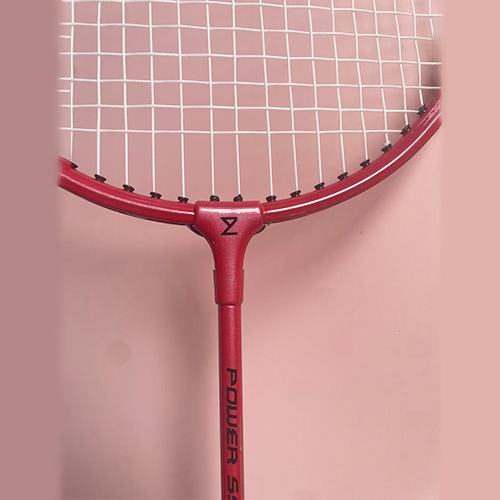
स्ट्रिंग प्रौद्योगिकी आधुनिकता को आकार देने वाले सबसे महत्वपूर्ण कारकों में से एक है रैकेट प्रदर्शनचाहे टेनिस हो, बैडमिंटन हो, स्क्वैश हो या रैकेटबॉल, स्ट्रिंग बेड पावर, कंट्रोल, स्पिन, आराम, टिकाऊपन और समग्र अनुभव को कई खिलाड़ियों की सोच से कहीं अधिक प्रभावित करता है। फ्रेम डिजाइन, ग्रिप साइज और हेड शेप सभी मायने रखते हैं, लेकिन अक्सर स्ट्रिंग ही यह निर्धारित करती हैं कि रैकेट प्रभाव के समय कैसा व्यवहार करता है और गेंद या शटल संपर्क के बाद कैसे प्रतिक्रिया करती है।
खिलाड़ियों, प्रशिक्षकों, खुदरा विक्रेताओं और खेल सामग्री प्रकाशकों के लिए, यह समझना महत्वपूर्ण है कि... स्ट्रिंग तकनीक रैकेट के प्रदर्शन को कैसे बदलती है यह बेहद ज़रूरी है। इससे यह समझने में मदद मिलती है कि एक जैसे फ्रेम वाले दो रैकेट अलग-अलग तरह से क्यों खेल सकते हैं, स्ट्रिंग का चुनाव कैसे स्थिरता ला सकता है, और स्ट्रिंग की विशिष्टताएँ हर उत्पाद या श्रेणी पृष्ठ का हिस्सा क्यों होनी चाहिए। यह लेख आधुनिक रैकेट स्ट्रिंग तकनीक, इसके लाभ, तकनीकी विशिष्टताओं और विभिन्न स्ट्रिंग संरचनाओं के प्रदर्शन पर पड़ने वाले प्रभाव का स्पष्ट, एसईओ-अनुकूल और उद्योग-सामान्य अवलोकन प्रदान करता है।
स्ट्रिंग प्रौद्योगिकी इसमें रैकेट स्ट्रिंग में उपयोग की जाने वाली सामग्री, निर्माण विधियाँ, कोटिंग, मोटाई, तनाव और सतह डिज़ाइन शामिल हैं। ये कारक इस बात को प्रभावित करते हैं कि स्ट्रिंग बेड कैसे खिंचता है, वापस अपनी जगह पर आता है, तनाव बनाए रखता है, ऊर्जा स्थानांतरित करता है और गेंद या शटलकॉक के साथ परस्पर क्रिया करता है।
व्यवहारिक रूप से, स्ट्रिंग तकनीक में बदलाव आते हैं:
क्योंकि रैकेट का केवल तार ही गेंद या शटल के सीधे संपर्क में आता है, इसलिए यह खेल के प्रदर्शन के लिए एक महत्वपूर्ण कड़ी है। तार की सामग्री या तनाव में मामूली बदलाव भी खेल में उल्लेखनीय अंतर ला सकते हैं।
रैकेट का प्रदर्शन केवल उसके फ्रेम से ही निर्धारित नहीं होता। फ्रेम संरचना प्रदान करता है, लेकिन तार ही वास्तविक हिटिंग सतह बनाते हैं। यही कारण है कि तार तकनीक को अक्सर रैकेट की प्रतिक्रियाशीलता का "इंजन" कहा जाता है।
स्ट्रिंग तकनीक क्यों महत्वपूर्ण है, इसके मुख्य कारण यहां दिए गए हैं:
कई खिलाड़ियों के लिए, रैकेट बदलने की तुलना में स्ट्रिंग तकनीक को अपग्रेड करना प्रदर्शन में अधिक सुधार ला सकता है।
आधुनिक रैकेट स्ट्रिंग्स विभिन्न संरचनाओं से निर्मित होती हैं जो खेलने की क्षमता को प्रभावित करती हैं। कोर, बाहरी आवरण, सतह की बनावट और कोटिंग, ये सभी अंतिम प्रदर्शन प्रोफ़ाइल को आकार देते हैं।
कोर, स्ट्रिंग का मुख्य संरचनात्मक घटक है। यह अक्सर इसकी लोच, अनुभव और टिकाऊपन निर्धारित करता है। सामान्य कोर संरचनाओं में ठोस मोनोफिलामेंट, मल्टीफिलामेंट बंडल, ब्रेडेड फाइबर या हाइब्रिड संरचनाएं शामिल हैं।
प्रदर्शन पर प्रभाव:
कुछ तारों में कई परतें या लिपटे हुए रेशे होते हैं जो उनके अनुभव और बजाने की विशेषताओं को बेहतर बनाते हैं। ये परतें लोच में सुधार कर सकती हैं, बनावट जोड़ सकती हैं या घिसावट के प्रति प्रतिरोधक क्षमता बढ़ा सकती हैं।
प्रदर्शन पर प्रभाव:
स्ट्रिंग की सतह इस बात को प्रभावित करती है कि रैकेट गेंद या शटल को कैसे पकड़ता है। चिकनी सतहें जल्दी छूट जाती हैं, जबकि खुरदरी सतहें घर्षण और स्पिन उत्पन्न करने में मदद करती हैं।
प्रदर्शन पर प्रभाव:
घर्षण, नमी या तनाव के कारण होने वाली क्षति से बचाव के लिए कोटिंग लगाई जाती है। इससे तार की सतह पर स्पर्श का अनुभव और चिकनाई भी प्रभावित हो सकती है।
प्रदर्शन पर प्रभाव:
रैकेट के प्रदर्शन में स्ट्रिंग की सामग्री सबसे महत्वपूर्ण कारकों में से एक है। विभिन्न सामग्रियां अलग-अलग खेलों, खेलने की शैलियों और बजट के अनुरूप होती हैं।
| स्ट्रिंग सामग्री | सामान्य अनुभव | प्रदर्शन लाभ | मुख्य समझौता | के लिए सर्वश्रेष्ठ |
|---|---|---|---|---|
| प्राकृतिक आंत | नरम, अत्यधिक लचीला | उत्कृष्ट आराम, शक्ति और तनाव बनाए रखने की क्षमता। | उच्च लागत, कम नमी प्रतिरोधकता | प्रीमियम अनुभव और स्पर्श चाहने वाले खिलाड़ी |
| multifilament | नरम और प्रतिक्रियाशील | बेहतरीन आराम और आसान संचालन | कठोर सिंथेटिक पदार्थों की तुलना में कम टिकाऊ | सभी प्रकार के मनोरंजक और मध्यवर्ती खिलाड़ी |
| मोनोफिलामेंट पॉलिएस्टर | दृढ़ और कुरकुरा | बेहतर नियंत्रण, स्पिन और टिकाऊपन | कम आराम और कम पावर सहायता | आक्रामक बेसलाइन या पावर-स्पिन खिलाड़ी |
| कृत्रिम आंत | संतुलित और सुलभ | कम लागत में बहुमुखी प्रदर्शन | मध्यम स्तर की मजबूती और तनाव बनाए रखने की क्षमता | सामान्य प्रयोजन उपयोग |
| हाइब्रिड स्ट्रिंग सेटअप | स्वनिर्धारित | दो प्रकार के स्ट्रिंग के लाभों को संयोजित करता है | अधिक जटिल सेटअप और ट्यूनिंग की आवश्यकता है | व्यक्तिगत प्रदर्शन चाहने वाले खिलाड़ी |
प्रत्येक सामग्री रैकेट के व्यवहार को अलग-अलग तरह से प्रभावित करती है। नरम तार आमतौर पर आराम और शक्ति बढ़ाते हैं, जबकि सख्त तार नियंत्रण और सटीकता में सुधार करते हैं। आदर्श विकल्प इस बात पर निर्भर करता है कि खिलाड़ी कैसे स्विंग करता है, कितनी बार खेलता है और किस प्रकार के शॉट खेलना पसंद करता है।
स्ट्रिंग गेज यह स्ट्रिंग की मोटाई को दर्शाता है। रैकेट से जुड़े अधिकांश खेलों में, पतली स्ट्रिंग मोटी स्ट्रिंग की तुलना में एक अलग तरह का खेलने का अनुभव प्रदान करती हैं।
| गेज प्रकार | अनुमानित मोटाई | प्रदर्शन लाभ | संभावित सीमा |
|---|---|---|---|
| मोटा गेज | लगभग 1.30 मिमी और उससे अधिक | उच्च स्थायित्व, स्थिर अनुभव | कम स्पिन और थोड़ी कम टच सेंसिटिविटी |
| मध्यम गेज | लगभग 1.25–1.29 मिमी | संतुलित टिकाऊपन और खेलने की क्षमता | यह न तो शक्ति को और न ही घूर्णन को अधिकतम कर सकता है। |
| पतला गेज | लगभग 1.20–1.24 मिमी | बेहतर अनुभव, घुमाव और जेब में रखने की क्षमता | कम टिकाऊपन और तेजी से घिसाव |
| अति पतला गेज | 1.20 मिमी से कम | अधिकतम प्रतिक्रियाशीलता और स्पर्श | कम जीवनकाल और टूटने का अधिक जोखिम |
पतले तार अक्सर बजाने की क्षमता और प्रतिक्रिया को बेहतर बनाते हैं क्योंकि वे प्रभाव पड़ने पर आसानी से मुड़ सकते हैं। हालांकि, पतले तार आमतौर पर जल्दी टूट जाते हैं और उनकी तनाव क्षमता भी जल्दी कम हो जाती है। मोटे तार उन खिलाड़ियों द्वारा पसंद किए जाते हैं जो नियमित रूप से बजाते हैं और जिन्हें स्थिरता और लंबे समय तक चलने वाले तार चाहिए होते हैं।
रैकेट के प्रदर्शन को प्रभावित करने वाले सबसे महत्वपूर्ण कारकों में से एक है स्ट्रिंग का तनाव। तनाव का स्तर यह निर्धारित करता है कि स्ट्रिंग कितनी कसी हुई या ढीली है, जो सीधे तौर पर शक्ति, नियंत्रण और आराम को प्रभावित करता है।
| तनाव सीमा | सामान्य भावना | प्रदर्शन प्रभाव | सामान्य उपयोग |
|---|---|---|---|
| कम तनाव | कोमल, क्षमाशील | अधिक शक्ति, बड़ा स्वीट स्पॉट | शुरुआती और आराम पसंद खिलाड़ी |
| मध्यम तनाव | संतुलित | शक्ति और नियंत्रण का मिश्रण | सर्वांगीण खिलाड़ी |
| उच्च तनाव | दृढ़, सटीक | बेहतर नियंत्रण, ट्रैम्पोलिन जैसा प्रभाव कम | उन्नत और तकनीक-उन्मुख खिलाड़ी |
कम तनाव से स्ट्रिंग बेड अधिक गहराई तक विकृत हो पाता है और अधिक ऊर्जा वापस लौटाता है, जिससे अधिक शक्ति उत्पन्न करना आसान हो जाता है। अधिक तनाव से स्ट्रिंग की गति कम हो जाती है और प्रतिक्रिया अधिक सीधी होती है, जिससे दिशात्मक नियंत्रण बेहतर होता है। इष्टतम तनाव खिलाड़ी की ताकत, स्विंग गति और वांछित शॉट के प्रकार पर निर्भर करता है।
रैकेट के प्रदर्शन के सबसे चर्चित पहलुओं में से एक है पावर। स्ट्रिंग तकनीक कई तरीकों से पावर में योगदान देती है:
सामान्य तौर पर, पावर बढ़ाने के लिए इस्तेमाल होने वाले स्ट्रिंग सेटअप नरम, पतले और कम तनाव वाले होते हैं। हालांकि, बहुत अधिक नरमी से दिशात्मक सटीकता कम हो सकती है। पावर बढ़ाने के इच्छुक खिलाड़ियों को लचीले स्ट्रिंग मटेरियल और उचित तनाव के संतुलित संयोजन की तलाश करनी चाहिए।
नियंत्रण का अर्थ है शॉट को सटीक और अनुमानित तरीके से लगाने की क्षमता। नियंत्रण पर केंद्रित स्ट्रिंग बेड अतिरिक्त रिबाउंड को कम करता है और खिलाड़ियों को आत्मविश्वास के साथ गेंद या शटल को निर्देशित करने में मदद करता है।
नियंत्रण को बढ़ाने वाले प्रमुख कारकों में निम्नलिखित शामिल हैं:
नियंत्रण पर ध्यान केंद्रित करने वाले खिलाड़ी अक्सर सख्त स्ट्रिंग बेड को पसंद करते हैं क्योंकि यह अधिक त्वरित और कम लचीली प्रतिक्रिया प्रदान करता है। इससे शॉट की स्थिरता में सुधार हो सकता है, खासकर तेज रैलियों, रक्षात्मक ब्लॉकों और सटीक प्लेसमेंट के दौरान।
आधुनिक रैकेट खेलों में स्पिन प्रदर्शन एक प्रमुख पहलू बन गया है। स्ट्रिंग तकनीक घर्षण, स्ट्रिंग की गति और स्नैपबैक व्यवहार के माध्यम से स्पिन को प्रभावित करती है। जो स्ट्रिंग गेंद को अच्छी तरह से पकड़ती हैं और जल्दी से अपनी स्थिति में लौट आती हैं, वे अधिक घूर्णी बल उत्पन्न कर सकती हैं।
स्पिन को बेहतर बनाने वाले कारकों में शामिल हैं:
स्पिन-अनुकूल स्ट्रिंग तकनीक उन खिलाड़ियों के लिए विशेष रूप से उपयोगी है जो भारी टॉपस्पिन, स्लाइसिंग, किक सर्व या धोखे से भरे एंगल्ड शॉट्स पर निर्भर रहते हैं। हालांकि, स्पिन और टिकाऊपन अक्सर एक दूसरे के विपरीत होते हैं: ग्रिप को अधिकतम करने वाली स्ट्रिंग जल्दी घिस सकती हैं।
जिन खिलाड़ियों को बांह में थकान, कलाई में खिंचाव या कंपन के प्रति संवेदनशीलता जैसी समस्याएं होती हैं, उनके लिए आराम एक प्रमुख चिंता का विषय है। मुलायम, लचीली और अच्छी तरह से कंपन कम करने वाली तारें प्रभाव के समय झटके को कम कर सकती हैं और लंबे समय तक रैकेट का उपयोग करना आसान बना सकती हैं।
आराम को प्राथमिकता देने वाली स्ट्रिंग तकनीकों में अक्सर निम्नलिखित शामिल होते हैं:
कठोर तार सटीकता बढ़ा सकते हैं, लेकिन वे झटके को भी अधिक संचारित कर सकते हैं। जिन खिलाड़ियों को बांह में तकलीफ की समस्या रही है, उनके लिए सही तार तकनीक का चयन करना अक्सर कठोर फ्रेम चुनने से अधिक महत्वपूर्ण होता है।
नियमित रूप से खेलने वाले खिलाड़ियों और उच्च प्रभाव वाले खेलों के लिए टिकाऊपन अत्यंत आवश्यक है। जल्दी टूटने वाली या जल्दी ही अपनी खेलने की क्षमता खोने वाली डोरी रखरखाव लागत बढ़ा सकती है और आत्मविश्वास कम कर सकती है।
टिकाऊपन इन बातों पर निर्भर करता है:
आम तौर पर, मोटे और मजबूत तार ज़्यादा समय तक चलते हैं। पॉलिएस्टर के तार आमतौर पर नरम मल्टीफिलामेंट तारों की तुलना में अधिक टिकाऊ होते हैं, हालांकि वे कम आरामदायक महसूस हो सकते हैं। जो खिलाड़ी ज़ोर से शॉट लगाते हैं या नियमित रूप से खेलते हैं, वे अक्सर प्रदर्शन के साथ-साथ टिकाऊपन को भी प्राथमिकता देते हैं।
| स्ट्रिंग प्रकार | शक्ति | नियंत्रण | घुमाना | आराम | सहनशीलता |
|---|---|---|---|---|---|
| प्राकृतिक आंत | उच्च | उच्च | मध्यम | बहुत ऊँचा | मध्यम |
| multifilament | उच्च | मध्यम | मध्यम | उच्च | मध्यम से निम्न |
| मोनोफिलामेंट पॉलिएस्टर | मध्यम से निम्न | उच्च | उच्च | निम्न से मध्यम | उच्च |
| कृत्रिम आंत | मध्यम | मध्यम | मध्यम | मध्यम | मध्यम |
| हाइब्रिड सेटअप | रिवाज़ | रिवाज़ | रिवाज़ | रिवाज़ | रिवाज़ |
यह तुलना दर्शाती है कि कोई भी एक स्ट्रिंग तकनीक हर श्रेणी में सर्वश्रेष्ठ नहीं है। आदर्श विकल्प इस बात पर निर्भर करता है कि खिलाड़ी आराम, नियंत्रण, शक्ति या स्थायित्व को सबसे अधिक महत्व देता है।
प्यारी जगह स्ट्रिंग बेड का सबसे कुशल क्षेत्र साफ संपर्क और इष्टतम प्रतिक्रिया के लिए सबसे उपयुक्त होता है। स्ट्रिंग तकनीक स्वीट स्पॉट को बड़ा, छोटा, नरम या अधिक सटीक बना सकती है।
कम तनाव और लचीली सामग्री आमतौर पर बेहतर स्वीट स्पॉट बनाती है। उच्च तनाव और सख्त सामग्री आमतौर पर बेहतर स्वीट स्पॉट को कम करती है लेकिन शॉट की सटीकता बढ़ाती है। इसका मतलब है कि शुरुआती खिलाड़ियों को अक्सर नरम सेटअप से फायदा होता है, जबकि उन्नत खिलाड़ी सटीक नियंत्रण के लिए टाइट स्ट्रिंग बेड को पसंद कर सकते हैं।
हाइब्रिड स्ट्रिंगिंग इसमें एक ही रैकेट में दो अलग-अलग प्रकार की स्ट्रिंग का संयोजन होता है, जिसमें अक्सर मेन स्ट्रिंग के लिए एक सामग्री और क्रॉस स्ट्रिंग के लिए दूसरी सामग्री का उपयोग किया जाता है। इससे खिलाड़ी प्रदर्शन विशेषताओं को अधिक सटीक रूप से अनुकूलित कर सकते हैं।
हाइब्रिड के सामान्य लक्ष्यों में शामिल हैं:
हाइब्रिड सेटअप उन खिलाड़ियों के लिए उपयोगी होते हैं जो किसी एक "सर्व-उद्देश्यीय" समाधान के बजाय लक्षित प्रदर्शन ट्यूनिंग चाहते हैं। ये उत्पाद श्रेणियों और शैक्षिक सामग्री में भी लोकप्रिय हैं क्योंकि ये दर्शाते हैं कि स्ट्रिंग तकनीक को विशिष्ट परिणामों के लिए कैसे तैयार किया जा सकता है।
रैकेट स्ट्रिंग की तुलना करते समय, कई तकनीकी विशिष्टताओं पर विचार करना चाहिए। ये विवरण विशेष रूप से एसईओ उत्पाद पृष्ठों, श्रेणी पृष्ठों और शैक्षिक संसाधनों के लिए उपयोगी होते हैं।
| विनिर्देश | विवरण | प्रदर्शन प्रासंगिकता |
|---|---|---|
| सामग्री की संरचना | यह लोच, कठोरता और स्थायित्व निर्धारित करता है। | यह शक्ति, नियंत्रण और आराम को आकार देता है। |
| गेज मोटाई | मिलीमीटर में मापा गया | स्पिन, टिकाऊपन और अनुभव को प्रभावित करता है |
| स्ट्रिंग तनाव | स्ट्रिंग बेड कितनी मजबूती से स्थापित है | शक्ति और सटीकता को प्रभावित करता है |
| सतह प्रोफ़ाइल | चिकनी, आकारित, बनावट वाली या लेपित फिनिश | घूर्णन और घर्षण व्यवहार पर प्रभाव |
| तनाव प्रतिधारण | समय के साथ खेल की विशेषताओं को बनाए रखने की क्षमता | दीर्घकालिक स्थिरता का समर्थन करता है |
| प्रत्यास्थ मापांक | कठोरता या लचीलेपन का माप | आराम और प्रतिक्रिया से संबंधित |
| प्रतिरोध को तोड़ें | भार पड़ने पर टूटने के प्रति प्रतिरोध | उच्च प्रभाव वाले खिलाड़ियों के लिए महत्वपूर्ण |
| कोटिंग की गुणवत्ता | स्ट्रिंग की सतह पर सुरक्षात्मक परत | टिकाऊपन और स्थिरता में सुधार करता है |
| खिलाड़ी का लक्ष्य | पसंदीदा स्ट्रिंग विशेषता | सामान्य लाभ |
|---|---|---|
| और ज्यादा अधिकार | नरम, लचीला, कम तनाव | आसान गहराई और तेज़ रिबाउंड |
| अधिक नियंत्रण | अधिक कठोर, अधिक तनाव | बेहतर दिशात्मक परिशुद्धता |
| अधिक घुमाव | पतला, बनावट वाला, कम घर्षण वाला | बेहतर पकड़ और उछाल |
| अधिक आराम | नरम बहुतंतुमयी या आंत जैसी डोरी | झटके कम हुए और बेहतर अनुभव प्राप्त हुआ |
| अधिक टिकाऊपन | मोटा मोनोफिलामेंट या प्रबलित स्ट्रिंग | स्ट्रिंग का लंबा जीवनकाल और स्थिरता |
| संतुलित सर्वांगीण खेल | कृत्रिम आंत या हाइब्रिड सेटअप | बहुमुखी प्रदर्शन |
प्रकाशकों और वेबसाइट मालिकों के लिए, स्ट्रिंग तकनीक सर्च इंजन ऑप्टिमाइज़ेशन के लिए एक मजबूत विषय है क्योंकि यह उच्च-इरादे वाले कीवर्ड जैसे कि से जुड़ती है। रैकेट स्ट्रिंग्स, स्ट्रिंग तनाव, सर्वश्रेष्ठ रैकेट स्ट्रिंग, स्ट्रिंग प्रदर्शन, नियंत्रण बनाम पावर स्ट्रिंग्स, और टिकाऊ रैकेट स्ट्रिंग.
कंटेंट को एसईओ-फ्रेंडली बनाने के लिए, पूरे पेज में कीवर्ड के स्वाभाविक वेरिएशन का उपयोग करें, जैसे कि:
मजबूत एसईओ संरचना रैंकिंग में भी मदद करती है। इसमें स्पष्ट शीर्षक, तुलनात्मक तालिकाएँ, संक्षिप्त परिभाषाएँ और ऐसे सामग्री अनुभाग शामिल हैं जो उपयोगकर्ताओं के सामान्य प्रश्नों के उत्तर देते हैं। इस प्रकार की जानकारीपूर्ण सामग्री श्रेणी पृष्ठों, ब्लॉग पोस्ट, उत्पाद गाइड और उद्योग ज्ञान केंद्रों को समर्थन प्रदान कर सकती है।
जब उपयोगकर्ता स्ट्रिंग तकनीक के बारे में शोध करते हैं, तो वे आमतौर पर कई व्यावहारिक कारकों की तुलना करते हैं। प्रासंगिकता और खोज दृश्यता बढ़ाने के लिए इन्हें ब्लॉग सामग्री या कैटलॉग विवरण में शामिल किया जा सकता है।
ये कारक यह समझने में मदद करते हैं कि वास्तविक उपयोग में स्ट्रिंग तकनीक रैकेट के प्रदर्शन को कैसे प्रभावित करती है। सबसे उपयुक्त सेटअप आमतौर पर वह होता है जो खिलाड़ी की आवश्यकताओं के अनुरूप हो, न कि वह जिसमें सबसे उन्नत सामग्री का उपयोग किया गया हो।
स्ट्रिंग में हो रहे नवाचार से रैकेट खेलों में लगातार सुधार हो रहा है, जिससे अधिक विशिष्ट प्रदर्शन विकल्प उपलब्ध हो रहे हैं। उद्योग के लिए, इससे बेहतर विभेदीकरण, स्पष्ट उत्पाद स्थिति निर्धारण और अधिक शैक्षिक सामग्री के अवसर पैदा होते हैं।
उद्योग को मिलने वाले प्रमुख लाभों में शामिल हैं:
जैसे-जैसे अधिक खिलाड़ी स्ट्रिंग तकनीक को समझने लगते हैं, वैसे-वैसे सरल भाषा में तकनीकी विशिष्टताओं को समझाने वाली सामग्री की मांग बढ़ती जाती है। इससे स्ट्रिंग से संबंधित लेख ऑर्गेनिक सर्च, इंटरनल लिंकिंग और शैक्षिक विश्वसनीयता के लिए मूल्यवान बन जाते हैं।
स्ट्रिंग तकनीक रैकेट के प्रदर्शन को प्रभावित करती है, जिससे पावर, कंट्रोल, स्पिन, आराम, टिकाऊपन और स्थिरता में बदलाव आता है। स्ट्रिंग की सामग्री, मोटाई, तनाव, सतह की बनावट और कोटिंग, ये सभी कारक रैकेट के प्रभाव के समय प्रतिक्रिया को निर्धारित करते हैं। नरम स्ट्रिंग और कम तनाव आमतौर पर पावर और आराम बढ़ाते हैं, जबकि सख्त स्ट्रिंग और अधिक तनाव कंट्रोल और सटीकता में सुधार करते हैं। पतली स्ट्रिंग अक्सर फील और स्पिन को बेहतर बनाती हैं, जबकि मोटी स्ट्रिंग टिकाऊपन और स्थिरता बढ़ाती हैं।
क्योंकि रैकेट और गेंद या शटल के बीच संपर्क का मुख्य बिंदु स्ट्रिंग बेड होता है, इसलिए स्ट्रिंग का चुनाव खेल के परिणाम पर सीधा प्रभाव डालता है। यही कारण है कि रैकेट के प्रदर्शन पर किसी भी गंभीर चर्चा में स्ट्रिंग तकनीक को हमेशा शामिल किया जाना चाहिए। चाहे इसे ब्लॉग लेख, श्रेणी पृष्ठ या उद्योग मार्गदर्शिका में उपयोग किया जाए, यह विषय एसईओ के लिहाज से बहुत उपयोगी है और व्यापक दर्शकों के लिए व्यावहारिक महत्व रखता है।
कुंजी ले जाएं: अगर आप रैकेट के प्रदर्शन को समझना चाहते हैं, तो सबसे पहले स्ट्रिंग से शुरुआत करें। स्ट्रिंग तकनीक कोई मामूली बात नहीं है; यह आधुनिक रैकेट खेलों में प्रदर्शन को प्रभावित करने वाले सबसे महत्वपूर्ण कारकों में से एक है।
यह वेबसाइट यह सुनिश्चित करने के लिए कुकीज़ का उपयोग करती है कि आपको हमारी वेबसाइट पर सर्वोत्तम अनुभव मिले।


 English
 Español
 Pусский
 Français
 日本語
日本語 한국어
한국어 العربية
 Tiếng Việt
 中文
中文



 टेलीफ़ोन
टिप्पणी
(0)