


उत्पाद विनिर्देश।
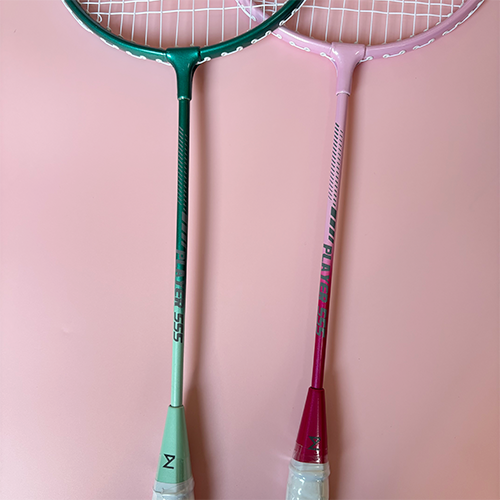
आइटम नंबर: प्लेयर 555
सामग्री: एल्युमिनियम और स्टील
लंबाई: 665±5 मिमी
वजन: 110±5 ग्राम
12 मिमी चौड़ा बॉडी टी-जॉइंट एल्युमिनियम और स्टील
जब मैं बाज़ार के लिए कोई रैकेट डिज़ाइन करता हूँ, तो मैं नाम या ग्राफ़िक डिज़ाइन से शुरुआत नहीं करता। मैं एक सरल प्रश्न से शुरू करता हूँ: रैकेट हाथ में लेते समय खिलाड़ी को कैसा महसूस होना चाहिए? मेरे लिए यह प्रश्न महत्वपूर्ण है क्योंकि एक अच्छा रैकेट केवल दिखावट से ही नहीं बनता। बार-बार इस्तेमाल करने पर भी यह स्थिर, आरामदायक, प्रतिक्रियाशील और भरोसेमंद होना चाहिए।
प्लेयर 555 के पीछे यही विचार है। मैंने व्यावहारिक प्रदर्शन, मज़बूत बनावट और लचीले अनुकूलन पर ध्यान केंद्रित करते हुए, खेल उपकरणों की हमारी व्यापक श्रृंखला के हिस्से के रूप में इस मॉडल को विकसित किया है। लक्षित बाज़ार के आधार पर, मैं ग्राहकों के साथ विशिष्टताओं, संरचना, ब्रांडिंग, पैकेजिंग और अन्य उत्पाद विवरणों पर काम कर सकता हूँ।
हमारी अपनी फैक्ट्री, फुजियान नानपिंग लेमन स्पोर्टिंग गुड्स कंपनी लिमिटेड में, हम बैडमिंटन रैकेट, टेनिस रैकेट, टेबल टेनिस रैकेट, पिकलबॉल पैडल, स्क्वैश रैकेट और अन्य खेल सामग्री का निर्माण करते हैं। इससे मुझे आयातकों और खेल ब्रांडों के साथ काम करने में एक महत्वपूर्ण लाभ मिलता है: मैं किसी अन्य आपूर्तिकर्ता से तैयार उत्पाद खरीदने के बजाय सीधे विनिर्माण टीम के साथ उत्पाद पर चर्चा कर सकता हूं।
जो ग्राहक रिटेल, होलसेल, क्लब, स्कूल या प्राइवेट-लेबल बिजनेस के लिए प्लेयर 555 स्पोर्ट्स रैकेट खरीदना चाहते हैं, उनके लिए मैं उत्पाद को दोनों तरफ से व्यावहारिक बनाने पर ध्यान केंद्रित करता हूं। यह न केवल खिलाड़ी के लिए अच्छा काम करे, बल्कि उन ग्राहकों के लिए भी उपयुक्त हो जिन्हें लगातार अच्छी गुणवत्ता, कस्टमाइजेशन, भरोसेमंद पैकेजिंग और सुगम उत्पादन व्यवस्था की आवश्यकता होती है।
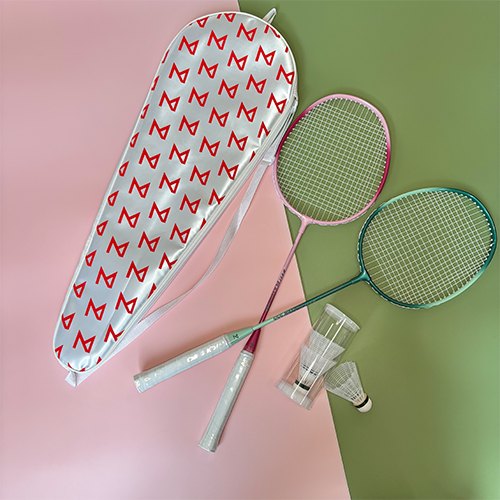
मैं प्लेयर 555 को एक संतुलित उत्पाद के रूप में देखता हूँ, न कि किसी एक अतिरंजित विशेषता पर आधारित रैकेट के रूप में। वास्तविक उपयोग में, खिलाड़ी किसी रैकेट का अनुभव केवल उसकी विशिष्टताओं के आधार पर नहीं करते। वे हैंडल, संतुलन, फ्रेम की प्रतिक्रिया, स्ट्रिंग बेड, कुल वजन और स्विंग के दौरान रैकेट की गति को महसूस करते हैं।
इसीलिए मैं इन हिस्सों के बीच के संबंध पर ध्यान देता हूँ। एक रैकेट जिसे नियंत्रित करना बहुत मुश्किल हो, थकान पैदा कर सकता है। एक रैकेट जो शॉट मारते समय अस्थिर महसूस हो, आत्मविश्वास कम कर सकता है। दूसरी ओर, एक समझदारीपूर्ण संरचना और आरामदायक पकड़ वाला रैकेट लंबे समय तक इस्तेमाल करने में कहीं अधिक आसान होता है।
प्लेयर 555 के साथ, मैं उत्पाद को खरीदार के बाजार के अनुसार अनुकूलित भी कर सकता हूँ। शुरुआती खिलाड़ियों को सेवा देने वाले वितरक की आवश्यकताएँ किसी विशेषज्ञ खेल विक्रेता से भिन्न हो सकती हैं। एक स्कूल कार्यक्रम टिकाऊपन और लागत नियंत्रण पर अधिक ध्यान दे सकता है, जबकि एक निजी ब्रांड दिखावट, पकड़ की बारीकियों, पैकेजिंग और उत्पाद की गुणवत्ता पर विशेष ध्यान दे सकता है।
इसलिए मैं प्लेयर 555 नाम को एक निश्चित सीमा के रूप में नहीं देखता। यह मॉडल एक अनुकूलित खेल उत्पाद कार्यक्रम के लिए प्रारंभिक बिंदु के रूप में काम कर सकता है।
स्थिर रैकेट निर्माण
नियमित उपयोग के लिए सुविधाजनक हैंडलिंग
बार-बार खेलने के लिए व्यावहारिक टिकाऊपन
उत्पादन की गुणवत्ता में निरंतरता
लचीले उत्पाद विनिर्देश
ओईएम और ओडीएम अनुकूलन
प्राइवेट-लेबल लोगो और पैकेजिंग विकल्प
अंतर्राष्ट्रीय खरीदारों के लिए उपयुक्त आपूर्ति सहायता
मैं ऐसे प्रदर्शन संबंधी दावे करने से भी बचता हूँ जिनका पुष्ट विनिर्देशन द्वारा समर्थन न किया जा सके। उदाहरण के लिए, मैं प्रत्येक प्लेयर 555 कॉन्फ़िगरेशन को पेशेवर टूर्नामेंट उपकरण के रूप में तब तक वर्णित नहीं करता जब तक कि वास्तविक विनिर्देशन और इच्छित उपयोग की पुष्टि न हो जाए। यह महत्वपूर्ण है क्योंकि विभिन्न बाजारों की अपेक्षाएँ अलग-अलग होती हैं।
हालांकि रैकेट देखने में एक साधारण सा खेल उपकरण लगता है, लेकिन जब खिलाड़ी गेंद या शटल को हिट करता है तो इसके कई हिस्से एक साथ काम करते हैं। हैंडल खिलाड़ी की गति को शाफ्ट और फ्रेम में स्थानांतरित करता है। फ्रेम हिटिंग एरिया को सहारा देता है। स्ट्रिंग वाले रैकेट खेलों में, स्ट्रिंग संपर्क सतह प्रदान करती हैं और ऊर्जा को वापस शटल या गेंद में स्थानांतरित करने में मदद करती हैं।
जब मैं रैकेट के प्रदर्शन को देखता हूं, तो मैं केवल एक घटक के बजाय पूरी संरचना पर विचार करता हूं।
उदाहरण के लिए, संतुलन बिंदु रैकेट को घुमाते समय उसके अनुभव को प्रभावित करता है। हेड की ओर अधिक भार वाला रैकेट संतुलित रैकेट से अलग अनुभव दे सकता है। शाफ्ट या थ्रोट क्षेत्र भी स्विंग के दौरान रैकेट की प्रतिक्रिया को प्रभावित करता है। ग्रिप का आकार हाथ के आराम और नियंत्रण को प्रभावित करता है।
बार-बार शॉट लगाने पर ये अंतर विशेष रूप से स्पष्ट हो जाते हैं। शुरुआती कुछ मिनटों में आरामदायक लगने वाला रैकेट भी खिलाड़ी की शैली के अनुकूल न होने पर थकाने वाला साबित हो सकता है।
इसी कारण से, मैं उत्पाद पृष्ठ पर तकनीकी संख्याओं की एक लंबी सूची जोड़ने के बजाय, प्लेयर 555 के इच्छित उपयोग के अनुसार उस पर चर्चा करना पसंद करता हूं।
| अवयव | मुख्य समारोह | यह क्यों मायने रखती है |
|---|---|---|
| चौखटा | हिटिंग क्षेत्र को सपोर्ट करता है | यह स्थिरता और समग्र संरचना को प्रभावित करता है। |
| शाफ्ट / गला | हैंडल और हेड के बीच गति का स्थानांतरण करता है | झूलते समय महसूस होने वाली अनुभूति और प्रतिक्रिया को प्रभावित करता है |
| पकड़ | यह खिलाड़ी के हाथ को रैकेट से जोड़ता है। | आराम और नियंत्रण के लिए महत्वपूर्ण |
| तार / प्रहार सतह | गेंद या शटल से संपर्क करता है | यह प्रभाव, अनुभव और खेलने की प्रतिक्रिया को प्रभावित करता है। |
स्रोत: बैडमिंटन विश्व महासंघ (BWF), अंतर्राष्ट्रीय टेनिस महासंघ (ITF) और अंतर्राष्ट्रीय टेबल टेनिस महासंघ (ITTF) द्वारा प्रकाशित उपकरण दिशानिर्देशों से संक्षेपित सामान्य रैकेट निर्माण सिद्धांत। प्लेयर 555 की वास्तविक विशिष्टताएँ चयनित खेल और पुष्ट उत्पादन कॉन्फ़िगरेशन पर निर्भर करती हैं।
प्लेयर 555 को बी2बी ग्राहकों के लिए पेश करने का एक सबसे बड़ा कारण इसकी लचीलापन है। हर खरीदार को बिल्कुल एक जैसा रैकेट नहीं चाहिए होता है। अगर मैं केवल एक ही निश्चित संस्करण की आपूर्ति करता, तो यह विभिन्न बाजारों के लिए उत्पाद के मूल्य को सीमित कर देता।
इसके बजाय, मैं ग्राहकों के साथ कई महत्वपूर्ण विवरणों पर काम कर सकता हूं।
मैं सबसे पहले बुनियादी संरचना पर ध्यान देता हूँ। फ्रेम, शाफ्ट, हैंडल, ग्रिप और अन्य सभी घटक एक संपूर्ण उत्पाद के रूप में मिलकर काम करने चाहिए। उत्पादन के दौरान, रैकेट की शिपमेंट से पहले विनिर्माण निरीक्षण और अंतिम जाँच की जाती है।
थोक खरीदार के लिए, टिकाऊपन सिर्फ एक तकनीकी शब्द नहीं है। इसका सीधा असर ग्राहक शिकायतों और प्रतिस्थापन लागत पर पड़ता है। इसलिए मैं ऐसे निर्माण पर ध्यान केंद्रित करता हूँ जो इच्छित खेल वातावरण और उपयोग स्तर के लिए उपयुक्त हो।
प्रशिक्षण और खेल के दौरान रैकेट को लंबे समय तक हाथ में रखा जाता है। ग्रिप का डिज़ाइन, कुल वज़न, संतुलन और बनावट, ये सभी चीज़ें रैकेट को आराम से पकड़ने में योगदान देती हैं। क्लबों, स्कूलों, प्रशिक्षण केंद्रों और शौकिया खिलाड़ियों के लिए उत्पाद बनाते समय ये विवरण विशेष रूप से महत्वपूर्ण होते हैं।
मैं उन ग्राहकों की मदद कर सकता हूँ जो मानक उत्पाद से अधिक चाहते हैं। परियोजना के आधार पर, अनुकूलन में उत्पाद संरचना, सामग्री, विशिष्टताएँ, लोगो, रंग, पैकेजिंग और नए उत्पाद का विकास शामिल हो सकता है।
यह विशेष रूप से प्राइवेट-लेबल स्पोर्ट्स ब्रांड्स के लिए उपयोगी है। पूरी तरह से नई फैक्ट्री की खोज शुरू करने के बजाय, खरीदार हमारे साथ उत्पाद की अवधारणा पर चर्चा कर सकता है और फिर एक व्यावहारिक विनिर्माण समाधान की ओर बढ़ सकता है।
मैं समझता हूँ कि खेल उपकरण खरीदने वाला व्यक्ति रैकेट का मूल्यांकन ठीक उसी तरह नहीं करता जिस तरह एक खिलाड़ी करता है। एक खिलाड़ी आमतौर पर रैकेट के अनुभव, नियंत्रण, आराम और प्रदर्शन के बारे में सोचता है। एक वितरक कीमत, पैकेजिंग, स्थिरता, वितरण और बाजार की मांग के बारे में सोच सकता है। एक ब्रांड मालिक को अनुकूलन और उत्पाद पहचान की परवाह हो सकती है।
इसीलिए प्लेयर 555 प्रोजेक्ट्स पर चर्चा करते समय मैं निम्नलिखित फ्रेमवर्क का उपयोग करता हूं।
| खरीदार के प्रकार | मुख्य सरोकार | प्लेयर 555 आपूर्ति दृष्टिकोण |
|---|---|---|
| खेल ब्रांड | ब्रांड पहचान और उत्पाद विभेदीकरण | ओईएम/ओडीएम, लोगो, विनिर्देश और पैकेजिंग |
| वितरक | स्थिर गुणवत्ता और आपूर्ति | मानक उत्पादन और गुणवत्ता निरीक्षण |
| स्पोर्ट्स क्लब | व्यावहारिक उपयोग और टिकाऊपन | प्रशिक्षण आवश्यकताओं के आधार पर उत्पाद विन्यास |
| स्कूल कार्यक्रम | उपयोग में आसानी और बजट नियंत्रण | उपयुक्त विशिष्टताओं और थोक आपूर्ति |
| ई-कॉमर्स विक्रेता | दिखावट, पैकेजिंग और बाजार में स्थिति | प्राइवेट लेबल और कस्टमाइज्ड पैकेजिंग |
स्रोत: खरीदारों की आवश्यकताओं की श्रेणियां अंतरराष्ट्रीय आयातकों, वितरकों, ब्रांडों, क्लबों, स्कूलों और व्यापारिक कंपनियों को खेल सामग्री की आपूर्ति करने के हमारे अनुभव पर आधारित हैं। ये व्यावहारिक खरीद श्रेणियां हैं, न कि आधिकारिक उद्योग वर्गीकरण।
यह दृष्टिकोण मुझे बी2बी खेल उपकरण सोर्सिंग में होने वाली एक आम गलती से बचने में भी मदद करता है: किसी उत्पाद को केवल इसलिए चुन लेना क्योंकि वह कैटलॉग में आकर्षक दिखता है। उत्पाद को ग्राहक के व्यावसायिक मॉडल के साथ-साथ खिलाड़ी के हाथ के अनुकूल भी होना चाहिए।
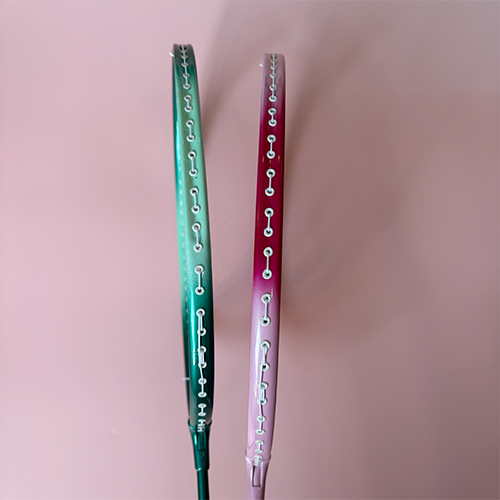
जब खरीदार प्लेयर 555 रैकेट, प्लेयर 555 स्पोर्ट्स रैकेट सप्लायर या प्लेयर 555 ओईएम रैकेट जैसे शब्दों से खोज करते हैं, तो उनके मन में पहले से ही कोई विशेष मॉडल हो सकता है। हालांकि, केवल उत्पाद का नाम ही पूरी जानकारी नहीं देता।
उदाहरण के लिए, रैकेट के अंतिम विनिर्देशों में वजन, ग्रिप का आकार, संतुलन, स्ट्रिंग की व्यवस्था, सामग्री का चयन, सतह की फिनिश, हैंडल की बनावट और पैकेजिंग शामिल हो सकते हैं। बड़े पैमाने पर उत्पादन से पहले इन विवरणों की पुष्टि की जानी चाहिए।
इसलिए मैं खरीदारों को सलाह देता हूं कि वे स्पेसिफिकेशन शीट, ड्राइंग, संदर्भ नमूना, लक्षित बाजार या यहां तक कि एक सरल उत्पाद विचार भी प्रदान करें। मेरी टीम तब आवश्यकताओं का मूल्यांकन कर सकती है और यह चर्चा कर सकती है कि किन हिस्सों में बदलाव किया जा सकता है।
यह OEM परियोजनाओं के लिए विशेष रूप से महत्वपूर्ण है क्योंकि एक हिस्से में थोड़ा सा बदलाव भी उत्पाद के दूसरे हिस्से को प्रभावित कर सकता है। अलग सामग्री से वजन बदल सकता है। अलग पकड़ से समग्र अनुभव बदल सकता है। अलग पैकेजिंग डिज़ाइन से कार्टन के आकार और शिपिंग लागत पर असर पड़ सकता है।
| पैरामीटर | सामान्य खरीदार का उद्देश्य | अनुकूलन की संभावना |
|---|---|---|
| वज़न | मैच के लिए लक्षित खिलाड़ी समूह | डिजाइन और सामग्री के चयन के अधीन |
| पकड़ का आकार | हाथों को आराम मिले और काम करने का तरीका बेहतर हो। | पुष्टि की गई विशिष्टताओं के अनुसार उपलब्ध है |
| संतुलन | खेलने के अनुभव को बदलें | उत्पाद विकास के दौरान इस पर चर्चा की जा सकती है। |
| प्रतीक चिन्ह | प्राइवेट-लेबल पहचान बनाएं | हाँ |
| पैकेजिंग | खुदरा प्रस्तुति और शिपिंग सुरक्षा | हाँ |
स्रोत: हमारी विनिर्माण और अनुकूलन कार्यप्रणाली। अंतिम मूल्य खेल, उत्पाद डिजाइन, सामग्री, ऑर्डर की मात्रा और ग्राहक की आवश्यकताओं के अनुसार निर्धारित किए जाते हैं।
मेरे लिए अपनी खुद की फैक्ट्री होना महत्वपूर्ण है क्योंकि उत्पाद की गुणवत्ता पूरी तरह से कई बिचौलियों के बीच संचार पर निर्भर नहीं होनी चाहिए।
फुजियान नानपिंग लेमन स्पोर्टिंग गुड्स कंपनी लिमिटेड, चीन के फुजियान प्रांत के नानपिंग शहर के पुचेंग औद्योगिक पार्क में स्थित है। यह कारखाना बैडमिंटन रैकेट, टेनिस रैकेट, टेबल टेनिस रैकेट, पिकलबॉल पैडल, स्क्वैश रैकेट और अन्य खेल उत्पादों के निर्माण में विशेषज्ञता रखता है।
प्लेयर 555 प्रोजेक्ट के लिए, उत्पादन प्रक्रिया उत्पाद विनिर्देशों की पुष्टि के साथ शुरू होती है। उत्पादन से पहले, हमें ग्राहक की आवश्यकताओं को समझना होगा, जिसमें उत्पाद की संरचना, सामग्री, स्वरूप, लोगो, पैकेजिंग और मात्रा शामिल हैं।
उत्पादन संबंधी आवश्यकताओं की पुष्टि हो जाने के बाद, चयनित डिज़ाइन के अनुसार संबंधित घटकों को तैयार और संसाधित किया जाता है। विभिन्न प्रकार के रैकेटों के लिए स्वाभाविक रूप से अलग-अलग उत्पादन प्रक्रियाएँ अपनाई जाती हैं, इसलिए मैं हर खेल के लिए एक ही निर्माण विधि को अनिवार्य नहीं मानता।
संयोजन एक और महत्वपूर्ण चरण है। अलग-अलग हिस्सों को मिलाकर एक स्थिर संरचना वाला संपूर्ण रैकेट बनाना आवश्यक है। उत्पाद के प्रकार के आधार पर, इसमें फ्रेम संयोजन, शाफ्ट या हैंडल संयोजन, ग्रिप लगाना, फिनिशिंग, स्ट्रिंग लगाना या खेल से संबंधित अन्य प्रक्रियाएं शामिल हो सकती हैं।
अंत में, हम उत्पादन निरीक्षण, प्रदर्शन जांच और शिपमेंट-पूर्व निरीक्षण करते हैं। इसका उद्देश्य सरल है: खरीदार को भेजे जाने वाले उत्पाद सहमत आवश्यकताओं के अनुरूप होने चाहिए।
हमारी कंपनी ने SEDEX और BSCI से संबंधित मूल्यांकन/प्रमाणन आवश्यकताओं को सफलतापूर्वक पूरा कर लिया है। ये प्रमाण पत्र उन अंतरराष्ट्रीय खरीदारों के लिए उपयोगी हैं जिन्हें ऐसे आपूर्तिकर्ता की आवश्यकता है जो अधिक सुव्यवस्थित खरीद प्रक्रियाओं में सहयोग कर सके।
फिर भी, मेरा मानना है कि प्रमाणपत्र उत्पाद निरीक्षण का विकल्प नहीं होना चाहिए। प्रमाणपत्र खरीदारों को आपूर्तिकर्ता के प्रबंधन और सामाजिक अनुपालन ढांचे के बारे में जानकारी देता है, जबकि उत्पाद निरीक्षण वास्तविक वस्तुओं की जांच करता है। अंतर्राष्ट्रीय बी2बी सहयोग के लिए दोनों ही महत्वपूर्ण हैं।
मैंने अपने खेल उत्पाद व्यवसाय को एक से अधिक प्रकार के ग्राहकों की जरूरतों को पूरा करने के लिए डिज़ाइन किया है। प्लेयर 555 को खरीदार के बाजार और खेल-विशिष्ट कॉन्फ़िगरेशन के अनुसार स्थापित किया जा सकता है।
किसी स्पोर्ट्स ब्रांड के लिए, प्राइवेट लेबलिंग अक्सर प्रमुख आवश्यकता होती है। मैं लोगो लगाने, पैकेजिंग को अनुकूलित करने, उत्पाद की दिखावट में बदलाव करने और परियोजना के अनुसार नए उत्पाद विकसित करने में सहायता कर सकता हूँ।
आयातकों को अक्सर स्थिर आपूर्ति और स्पष्ट उत्पाद विनिर्देशों की आवश्यकता होती है। उनके पास पहले से ही अपने बिक्री चैनल हो सकते हैं और उन्हें केवल उत्पाद के लिए एक विश्वसनीय विनिर्माण भागीदार की आवश्यकता होती है।
प्रशिक्षण केंद्रों को ऐसे उपकरणों की आवश्यकता होती है जो बार-बार उपयोग किए जा सकें। सही उपकरण का चयन खेल, खिलाड़ी के स्तर, प्रशिक्षण की आवृत्ति और बजट पर निर्भर करता है।
स्कूलों को आमतौर पर ऐसे व्यावहारिक उपकरणों की आवश्यकता होती है जो उपयोग में आसान हों और विभिन्न छात्रों के लिए उपयुक्त हों। बड़े स्कूली प्रोजेक्टों के लिए, थोक पैकेजिंग और डिलीवरी व्यवस्था पर भी चर्चा की जा सकती है।
ऑनलाइन विक्रेताओं की एक और चिंता होती है: उत्पाद पृष्ठ पर प्रदर्शित होने पर उत्पाद आकर्षक दिखना चाहिए। इसलिए, अनुकूलित पैकेजिंग, लोगो डिजाइन, उत्पाद फोटोग्राफी संबंधी आवश्यकताएं और सुसंगत उत्पाद विनिर्देश परियोजना के महत्वपूर्ण भाग बन सकते हैं।
बाजार में खेल उपकरण के कई आपूर्तिकर्ता हैं। तो फिर मुझे क्यों लगता है कि हमारी फैक्ट्री पर विचार करना उचित है?
सबसे पहले, हमारे पास प्रत्यक्ष उत्पादन क्षमता है। हमारी अपनी फैक्ट्री में रैकेट खेल उत्पादों की कई श्रेणियां तैयार होती हैं। इसका मतलब है कि मैं केवल कैटलॉग भेजने के बजाय उत्पादन के दृष्टिकोण से उत्पाद विवरण पर चर्चा कर सकता हूं।
दूसरा, हम मानक उत्पादों और अनुकूलित उत्पादों दोनों का समर्थन करते हैं। यदि किसी खरीदार को तैयार मॉडल की आवश्यकता है, तो हम उपलब्ध कॉन्फ़िगरेशन पर चर्चा कर सकते हैं। यदि खरीदार निजी लेबल उत्पाद चाहता है, तो हम विकास संबंधी आवश्यकताओं पर काम कर सकते हैं।
तीसरा, हमारा व्यवसाय अंतरराष्ट्रीय बी2बी आपूर्ति पर आधारित है। हम आयातकों, ब्रांडों, व्यापारिक कंपनियों, वितरकों, खेल संगठनों और अन्य ग्राहकों के साथ काम करते हैं जिन्हें विभिन्न बाजारों के लिए उत्पादों की आवश्यकता होती है।
चौथा, हम समझते हैं कि डिलीवरी उत्पाद की गुणवत्ता का एक अभिन्न अंग है। देर से पहुंचने वाला अच्छा माल भी वितरक के लिए समस्याएँ पैदा कर सकता है। इसीलिए हम हर ऑर्डर के लिए एक ही डिलीवरी समय का वादा करने के बजाय स्टॉक, ऑर्डर की मात्रा, उत्पाद विनिर्देशों और अनुकूलन आवश्यकताओं के अनुसार उत्पादन शेड्यूल पर चर्चा करते हैं।
कस्टमाइज्ड प्लेयर 555 उत्पादों के लिए, मैं आमतौर पर पहले स्पेसिफिकेशन की पुष्टि करने, फिर सैंपल या डेवलपमेंट वर्जन की जांच करने और उसके बाद ही बड़े पैमाने पर उत्पादन शुरू करने की सलाह देता हूं।
जी हाँ। हम OEM और ODM परियोजनाओं का समर्थन करते हैं। उत्पाद के स्वरूप के आधार पर, मैं लोगो, विशिष्टताओं, सामग्री, दिखावट, पैकेजिंग और नए उत्पाद विकास पर चर्चा कर सकता हूँ।
जी हाँ। लोगो कस्टमाइज़ेशन हमारी नियमित बी2बी सेवाओं में से एक है। इसका सटीक तरीका उत्पाद की सतह, लोगो डिज़ाइन, रंग संबंधी आवश्यकताओं और उत्पादन प्रक्रिया पर निर्भर करता है।
जी हां। हम ग्राहकों की पैकेजिंग संबंधी आवश्यकताओं के अनुसार काम कर सकते हैं। पेशेवर पैकेजिंग उत्पादों को नमी, झटके और परिवहन के दौरान होने वाले नुकसान से बचाने में सहायक होती है। निजी लेबल परियोजनाओं के लिए खुदरा पैकेजिंग भी विकसित की जा सकती है।
ऑर्डर की आवश्यकताएं उत्पाद और अनुकूलन स्तर पर निर्भर करती हैं। मेरा सुझाव है कि आप आवश्यक मात्रा, लक्षित बाजार और उत्पाद विनिर्देश भेजें ताकि हम उचित उत्पादन व्यवस्था की पुष्टि कर सकें।
बड़े पैमाने पर उत्पादन से पहले नमूना व्यवस्था पर चर्चा की जा सकती है। अनुकूलित उत्पादों के लिए, एक नमूना या विकास संस्करण विशेष रूप से उपयोगी होता है क्योंकि यह दोनों पक्षों को बड़े ऑर्डर से पहले स्वरूप, निर्माण, विशिष्टताओं और अन्य विवरणों की पुष्टि करने की अनुमति देता है।
हम अंतर्राष्ट्रीय व्यापार भुगतान विधियों जैसे कि टी/टी बैंक ट्रांसफर का समर्थन करते हैं। ऑर्डर और सहयोग समझौते के अनुसार विशिष्ट भुगतान शर्तों पर चर्चा की जा सकती है।
मैं ऑर्डर और गंतव्य के अनुसार शिपिंग की व्यवस्था कर सकता हूँ। उपलब्ध विकल्पों में समुद्री माल ढुलाई, हवाई माल ढुलाई, अंतर्राष्ट्रीय एक्सप्रेस और मल्टीमॉडल परिवहन शामिल हो सकते हैं।
हम परिवहन के दौरान नमी, झटके और क्षति के जोखिम को कम करने के लिए डिज़ाइन किए गए पेशेवर पैकेजिंग समाधानों का उपयोग करते हैं। यदि किसी ग्राहक की पैकेजिंग संबंधी कोई विशेष आवश्यकताएँ हैं, तो ऑर्डर की पुष्टि के दौरान उन पर भी चर्चा की जा सकती है।
हमारी कंपनी ने SEDEX और BSCI से संबंधित प्रमाणन या मूल्यांकन आवश्यकताओं को पूरा कर लिया है, जैसा कि हमारी कंपनी की जानकारी में बताया गया है। विशिष्ट अनुपालन दस्तावेज़ों की आवश्यकता वाले खरीदार ऑर्डर देने से पहले अपनी खरीद संबंधी आवश्यकताओं पर हमसे चर्चा कर सकते हैं।
जी हाँ। नए उत्पाद का विकास हमारी सेवाओं में से एक है। ग्राहक चित्र, संदर्भ उत्पाद, नमूने, तकनीकी आवश्यकताएँ या यहाँ तक कि प्रारंभिक विचार भी प्रदान कर सकते हैं। इसके बाद हम विकास के लिए आवश्यक संरचना, सामग्री, विशिष्टताएँ, लोगो और पैकेजिंग पर चर्चा कर सकते हैं।
मेरे लिए, प्लेयर 555 किसी कैटलॉग में सिर्फ एक और उत्पाद का नाम नहीं है। यह उत्पाद विकास को विनिर्माण और अंतर्राष्ट्रीय आपूर्ति से जोड़ने का एक व्यावहारिक तरीका है।
मुझे पता है कि कोई खरीदार शायद पहले हमारे पास किसी एक उत्पाद की वजह से आए, लेकिन एक सफल व्यापारिक संबंध अक्सर उस पहले उत्पाद से आगे बढ़ता है। किसी वितरक को बाद में किसी अन्य विशिष्टता की आवश्यकता हो सकती है। किसी खेल ब्रांड को नए डिज़ाइन की आवश्यकता हो सकती है। किसी स्कूली ग्राहक को किसी अन्य खेल के लिए उपकरण की आवश्यकता हो सकती है। किसी ई-कॉमर्स विक्रेता को नई पैकेजिंग की आवश्यकता हो सकती है।
क्योंकि हमारा कारखाना कई प्रकार के रैकेट खेल उपकरण बनाता है, इसलिए मैं एक ही विनिर्माण भागीदार के माध्यम से इन व्यापक आवश्यकताओं को पूरा कर सकता हूं।
हमारे उत्पाद रेंज में बैडमिंटन रैकेट, टेनिस रैकेट, टेबल टेनिस रैकेट, पिकलबॉल पैडल, स्क्वैश रैकेट और अन्य खेल उत्पाद शामिल हैं। हम मानकीकृत विनिर्माण को OEM और ODM विकास के साथ जोड़ते हैं, जिससे खरीदारों को मौजूदा उत्पादों और अनुकूलित समाधानों के बीच चयन करने की सुविधा मिलती है।
यदि आप किसी स्पोर्ट्स ब्रांड, थोक व्यवसाय, वितरक नेटवर्क, क्लब, स्कूल, ई-कॉमर्स स्टोर या अंतर्राष्ट्रीय व्यापार परियोजना के लिए प्लेयर 555 की सोर्सिंग कर रहे हैं, तो मैं बुनियादी विवरणों से शुरू करने की सलाह देता हूं: लक्षित खेल, मात्रा, आवश्यक विनिर्देश, लोगो की आवश्यकताएं, पैकेजिंग, गंतव्य बाजार और अपेक्षित वितरण समय सारणी।
वहां से, मैं आपके साथ व्यावहारिक विवरणों पर काम कर सकता हूं और प्लेयर 555 की अवधारणा को एक ऐसे उत्पाद में बदलने में मदद कर सकता हूं जो आपके बाजार के लिए उपयुक्त हो।
प्लेयर 555 - व्यावहारिक खेल उपकरण आपूर्ति के लिए विकसित किया गया है, जो हमारी अपनी विनिर्माण क्षमता और लचीली OEM/ODM सेवा द्वारा समर्थित है।
यह वेबसाइट यह सुनिश्चित करने के लिए कुकीज़ का उपयोग करती है कि आपको हमारी वेबसाइट पर सर्वोत्तम अनुभव मिले।


 English
 Español
 Pусский
 Français
 日本語
日本語 한국어
한국어 العربية
 Tiếng Việt
 中文
中文



 टेलीफ़ोन